



10-Question Risk Check
Take the Business Scam Test
Answer these questions about the business or investment you are considering. Select “Yes” whenever a warning sign applies.
Important: This educational screening tool identifies common warning signs. It cannot determine whether a business is legal, legitimate or fraudulent and is not legal, investment or financial advice. Independently verify claims and consult a qualified professional before committing money.
WEALTH-BUILDING ESTIMATE
BILLIONAIRE CALCULATOR
Estimate how long it could take your investments to reach $1 Billion Dollars.
Enter your numbers and select Calculate My Timeline.
Important: This educational estimate assumes monthly compounding and steady end-of-month contributions. It does not account for taxes, fees, inflation or changing returns and is not financial advice.
America’s Get-Rich Schemes, Scams and Financial Delusions
Explore the schemes, scams and questionable business ideas that promised fast money but delivered disappointment, financial losses and valuable lessons. DonaldChump.com examines the pitches, the people behind them, what went wrong and what we can learn from each story.


The Franklin Mint Money Trap: When Collectibles Were Sold as Investments
The Franklin Mint promised ordinary consumers a chance to own valuable collectibles that would appreciate over time. Coins, plates, medals, and commemorative items were marketed as limited editions with long term investment potential. Buyers were told these items were scarce, historically significant, and protected against inflation.

Bogus Matchmaking Services: When Love Was Sold by the Hour
Bogus matchmaking services promised a more serious alternative to online dating. Clients were told they would receive personalized attention, professional screening, and carefully selected matches based on compatibility, values, and long term goals. The service was positioned as exclusive and effective, especially for people tired of apps and casual dating.
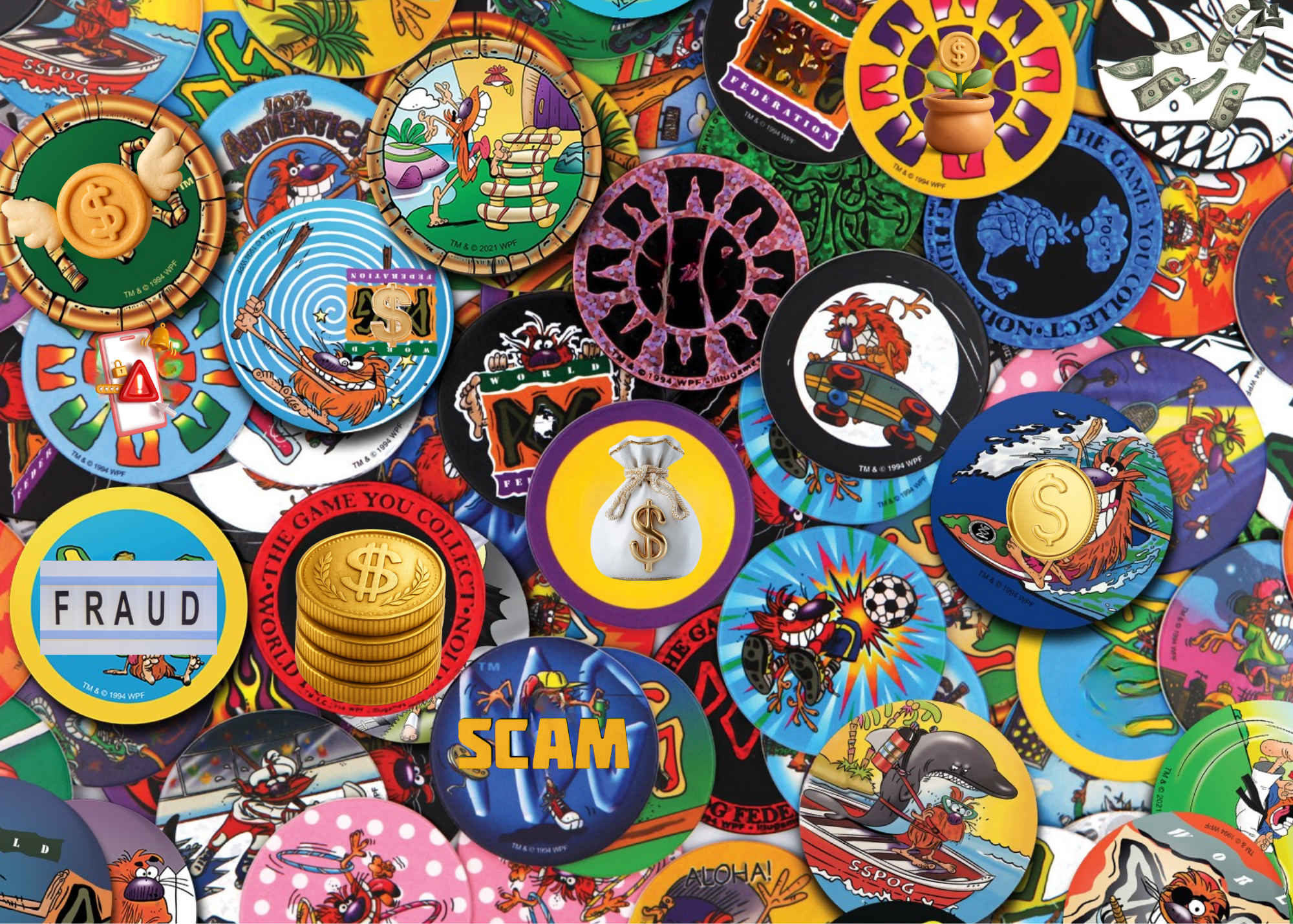
The Pogs Craze: When Cardboard Discs Became an Investment Strategy
In the early 1990s, pogs were presented as more than a playground game. They were framed as collectibles with real and growing value. Kids were told they could trade up, build rare sets, and eventually sell their collections for meaningful money. Parents were often told the same thing, reassured that pogs were similar to baseball cards or comics that had appreciated over time.

The Envelope Stuffing Scam
The envelope stuffing scam promised easy money from home at a time when flexible work opportunities were rare. Participants were told they could earn steady income simply by stuffing envelopes and mailing them for companies that needed help with mass correspondence. The work was described as simple, repetitive, and suitable for anyone.

The Matthew Cox Mortgage Fraud Scheme
Matthew Cox presented himself as a savvy real estate professional who had discovered how to profit from the U.S. housing boom. The promise was not framed as a traditional investment opportunity but as access to a system that could generate rapid wealth through real estate transactions. The underlying message was that the housing market was full of opportunity for those who understood how to work within it.

The Reed Slatkin Ponzi Scheme of 2001: The Tech Guru Who Fooled Silicon Valley
In the late 1990s and early 2000s, when the internet boom was reshaping industries, fortunes were being made overnight, and Silicon Valley was emerging as a new center of global wealth, Reed Slatkin appeared to embody the era’s optimism.

Herbalife: The Pyramid Scheme Allegations That Shocked America
Herbalife is one of the most recognizable names in the American nutrition industry — a multibillion-dollar company built around shakes, teas, supplements, and weight-loss programs. But behind the polished branding and motivational messaging lies one of the most enduring controversies in modern business history.
