

The Franklin Mint Money Trap: When Collectibles Were Sold as Investments
The Promise
The Franklin Mint promised ordinary consumers a chance to own valuable collectibles that would appreciate over time. Coins, plates, medals, and commemorative items were marketed as limited editions with long term investment potential. Buyers were told these items were scarce, historically significant, and protected against inflation.
The pitch was especially appealing to middle class households, retirees, and gift buyers. Collectibles were framed as a smart alternative to traditional investments. Purchasing from the Franklin Mint felt safe, respectable, and educational rather than speculative.
The Pitch
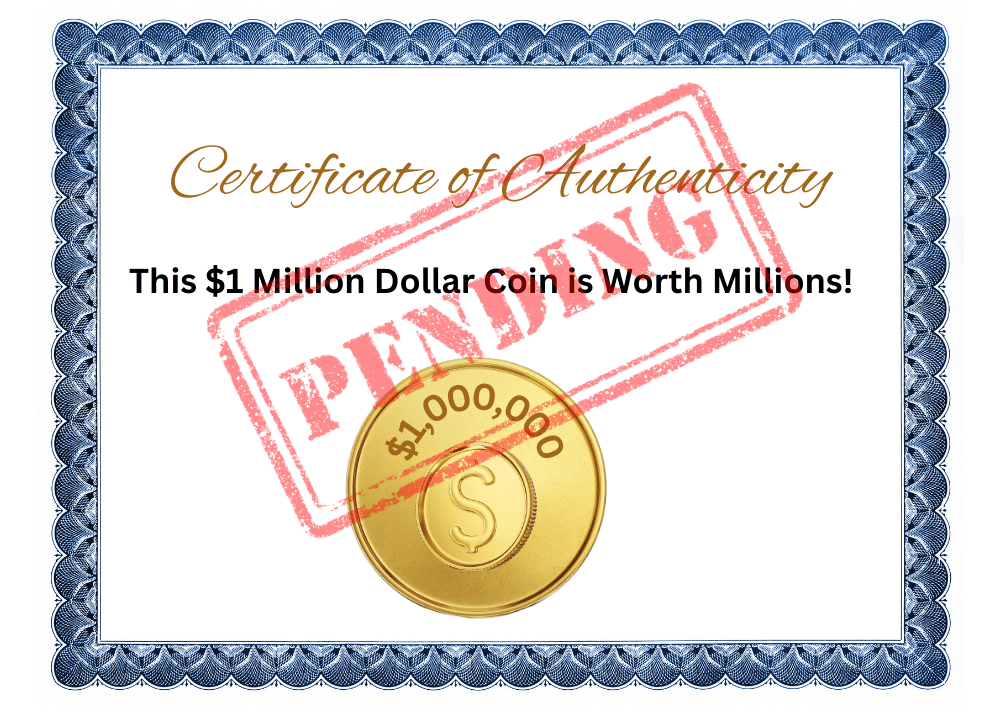
The pitch arrived through glossy mailers, magazine ads, and television commercials. Marketing materials emphasized limited mintages, certificates of authenticity, and the idea that production would never be repeated. Buyers were encouraged to act quickly before editions sold out.
Many products were sold through subscription programs. Customers would receive regular shipments and be billed automatically unless they opted out. Pricing was presented per item, making the cumulative cost less obvious over time.
Marketing language often referenced historical parallels, suggesting these items could follow the appreciation of rare coins or antiques. Emotional value, patriotism, and legacy were blended with financial language to reinforce the perception of investment quality.
The Reality
In reality, most Franklin Mint products were mass produced. While editions were technically limited, the limits were often very high relative to actual collector demand. Secondary markets were flooded with identical items, driving resale values down.
Production costs were low compared to retail prices. When owners attempted to resell their collectibles, they often discovered that dealers offered only a fraction of the original purchase price or were not interested at all.
Certificates of authenticity did not translate into market value. Scarcity was manufactured, not organic. The items held sentimental value but little financial upside.
The Reckoning
There was no single moment of collapse. Instead, the reckoning occurred gradually as collectors tried to sell their items and discovered the market reality. Online marketplaces made price comparisons easy, revealing how little demand existed for most Franklin Mint products.
Consumer complaints increased over time, and the company faced criticism for its marketing practices. However, because the products were real and delivered as advertised, legal consequences were limited.
The illusion faded slowly as buyers realized that collectibility does not automatically equal value.
The Damage
The financial damage varied. Some buyers spent hundreds of dollars, while others spent tens of thousands over years of subscriptions. For many, the loss was only recognized decades later when estates were settled or collections were liquidated.
There was also a trust cost. Buyers felt misled, especially those who believed they were making prudent financial decisions. Heirs often inherited collections that carried emotional weight but little monetary value.
The broader damage was confusion between collecting and investing, a distinction that was deliberately blurred.
Lessons Learned
Limited edition does not mean scarce in a meaningful market sense.
Collectibles sold primarily through direct marketing rarely appreciate in value.
Certificates of authenticity do not create demand.
Subscription selling can obscure the true cost of participation.
Emotional storytelling is often used to justify inflated prices.
Items marketed as investments should be evaluated like investments, not souvenirs.