

The Pogs Craze: When Cardboard Discs Became an Investment Strategy
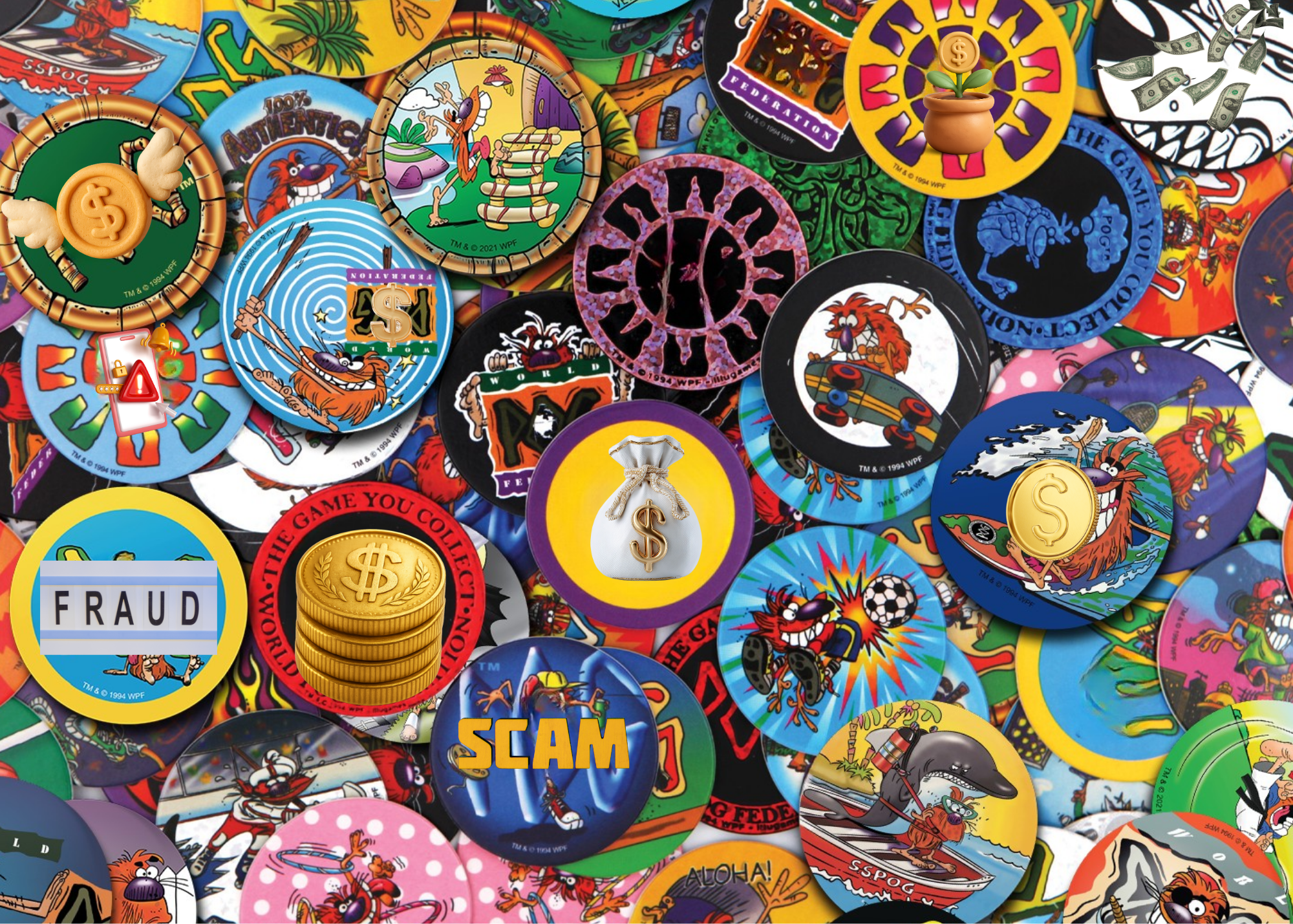
The Promise
In the early 1990s, pogs were presented as more than a playground game. They were framed as collectibles with real and growing value. Kids were told they could trade up, build rare sets, and eventually sell their collections for meaningful money. Parents were often told the same thing, reassured that pogs were similar to baseball cards or comics that had appreciated over time.
The promise was simple and appealing. Buy the right pogs, hold onto them, and watch their value rise. Limited editions, branded sets, and specialty slammers were marketed as scarce items that would become harder to find. For a brief moment, cardboard discs were treated like a legitimate asset class.
The Pitch
The pitch was driven by hype and artificial scarcity. Manufacturers flooded the market with themed sets tied to sports teams, movies, TV shows, and pop culture brands. Words like limited edition and rare were used constantly, even as millions of identical items were produced.
Secondary markets emerged quickly. Schoolyards, flea markets, hobby shops, and early online forums reinforced the idea that pogs had resale value. Price guides circulated, and some retailers displayed higher priced slammers behind glass, reinforcing the perception of long term worth.
The social element amplified the pitch. Kids did not want to miss out, and parents often felt pressure to keep up. Buying pogs was framed as both entertainment and a smart purchase.
The Reality
In reality, pogs had no inherent scarcity. Production costs were minimal, and supply expanded as long as demand existed. What was labeled as rare was often only temporarily uncommon.
Value was entirely dependent on ongoing interest. Once trends shifted, demand evaporated. Without sustained collectors, resale markets collapsed almost overnight. What had seemed like an investment quickly became a box of paper discs with no buyers.
Most pogs never held meaningful value beyond the peak of the craze. Even sealed or supposedly rare sets failed to appreciate once the fad ended.
The Reckoning
The reckoning came quietly. There was no legal action or dramatic collapse. Interest simply faded. New toys and games replaced pogs, and manufacturers moved on to the next trend.
Retailers stopped stocking them. Secondary markets dried up. Price guides became irrelevant. What was once framed as collectible quickly became obsolete.
Pogs did not fail because of fraud in the traditional sense. They failed because hype was mistaken for long term value.
The Damage
The financial damage was relatively small on an individual level but widespread. Many families spent far more than they realized chasing complete sets and perceived rarities. For children, disappointment replaced excitement as collections lost all trading power.
The larger damage was educational. Pogs reinforced the idea that popularity equals value. They showed how quickly markets built on trend rather than fundamentals can disappear.
Garages, basements, and storage bins still hold forgotten pog collections that were once thought to be worth saving.
Lessons Learned
Popularity is not the same as scarcity.
Items produced in large quantities rarely become valuable collectibles.
Price guides and resale chatter often reflect hype, not durability.
Short term demand does not translate into long term value.
Collectibles tied to trends lose value when attention shifts.
If everyone is buying something as an investment, it probably is not one.